


เรียนภาษาไทย: คู่มือฉบับสมบูรณ์สำหรับผู้เริ่มต้น (Learn Thai: The Ultimate Guide for Beginners)
สวัสดีครับ/ค่ะ! Welcome to the wonderful world of the Thai language. Many people find Thai intimidating at first glance – the curvy script, the tonal variations, the seemingly endless vocabulary. But trust me, with the right approach, anyone can learn Thai. This guide is designed to be your comprehensive companion, taking you from zero knowledge to basic conversational competence.
เรื่องราวของนักเดินทาง: แรงบันดาลใจในการเรียนภาษาไทย (A Traveler’s Tale: Inspiration for Learning Thai)
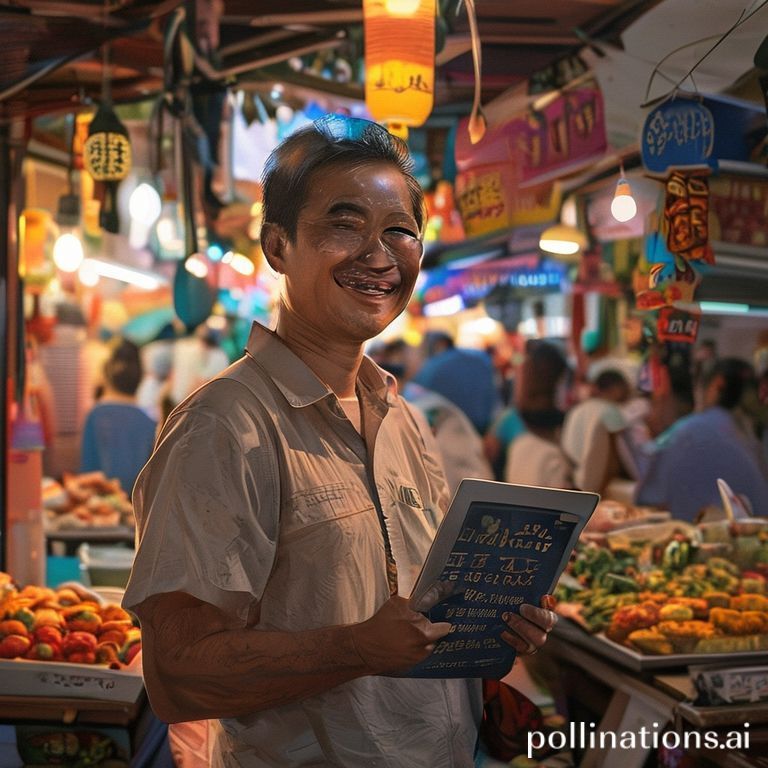
Imagine this: You arrive in Bangkok, buzzing with excitement. You’ve dreamed of exploring ancient temples, tasting exotic street food, and immersing yourself in the vibrant Thai culture. But there’s a problem. You don’t speak a word of Thai. Everything is…foreign. Ordering food becomes a guessing game. Asking for directions is a confusing charade. You feel like an outsider looking in, unable to truly connect with the people or understand the soul of Thailand. That was me, a few years ago. Frustrated and feeling disconnected, I vowed to learn the language. It wasn’t easy, but the rewards were incredible. Suddenly, I could haggle at the markets, understand jokes, and even have meaningful conversations with locals. Thailand transformed from a tourist destination into a second home.
ปัญหา: ความท้าทายในการเรียนภาษาไทย (The Problem: Challenges in Learning Thai)
Learning any new language presents challenges, but Thai has some unique hurdles:
- The Script: The Thai alphabet is significantly different from the Roman alphabet, taking time and consistent effort to master.
- Tones: Thai is a tonal language, meaning the same word can have different meanings depending on the tone used. This requires careful listening and practice.
- Pronunciation: Some sounds in Thai don’t exist in English, making pronunciation tricky for native English speakers.
- Grammar: While Thai grammar is arguably simpler than some European languages, the word order and sentence structure can initially feel unfamiliar.
What happens if these challenges are ignored? You might mispronounce words and convey the wrong meaning, leading to misunderstandings and even potentially embarrassing situations. You might struggle to read basic signs or menus, hindering your ability to navigate daily life. You might feel discouraged and give up on your language learning journey altogether. But don’t worry, we’re here to help you overcome these obstacles!
ความปั่นป่วน: ผลกระทบของการไม่รู้ภาษาไทย (The Agitation: Impact of Not Knowing Thai)
Consider the implications of not learning at least basic Thai while travelling or living in Thailand:
- Limited Interaction: You’ll be confined to interacting primarily with other tourists or Thais who speak English, missing out on genuine cultural exchange.
- Overpaying for Goods and Services: Without being able to haggle or understand local prices, you’re likely to pay more for everything.
- Misunderstandings and Frustration: Simple tasks like ordering food or asking for directions can become frustrating and time-consuming.
- Missing Out on Opportunities: You’ll miss out on opportunities to connect with locals, learn about their culture, and experience Thailand beyond the tourist hotspots.
- Safety Concerns: In emergency situations, being able to communicate in Thai could be crucial.
It’s not just about convenience; it’s about respect. Making an effort to learn even a few basic phrases shows respect for the Thai culture and people. It opens doors to experiences you would otherwise miss.
วิธีการแก้ปัญหา: คำแนะนำทีละขั้นตอนในการเรียนภาษาไทย (The Solution: A Step-by-Step Guide to Learning Thai)
Here’s a practical, actionable guide to help you embark on your Thai language learning journey:
ขั้นตอนที่ 1: เรียนรู้อักษรไทย (Step 1: Learn the Thai Alphabet)
This is the foundation of your Thai literacy. Don’t be intimidated; break it down into manageable chunks.
- Resources: Use online resources like YouTube videos, websites (e.g., Thai-language.com), and apps that teach the Thai alphabet.
- Practice: Write out the letters repeatedly, focusing on pronunciation. Associate each letter with a familiar sound or word.
- Start Simple: Begin with the consonants and vowels, then move on to tone marks and diphthongs.
ขั้นตอนที่ 2: เรียนรู้คำศัพท์และวลีพื้นฐาน (Step 2: Learn Basic Vocabulary and Phrases)
Focus on essential vocabulary that you can use immediately.
- Start with Essentials: Greetings (สวัสดีครับ/ค่ะ – sawasdee krap/ka), thank you (ขอบคุณครับ/ค่ะ – khop khun krap/ka), yes (ครับ/ค่ะ – krap/ka), no (ไม่ – mai), please (กรุณา – garuna), excuse me (ขอโทษครับ/ค่ะ – khotot krap/ka).
- Everyday Words: Learn words related to food (อาหาร – ahaan), transportation (การเดินทาง – gaan deen taang), directions (ทิศทาง – tit taang), numbers (ตัวเลข – dtua lek), and common objects.
- Use Flashcards: Create flashcards with Thai words on one side and English translations on the other. Use spaced repetition to reinforce your learning.
ขั้นตอนที่ 3: ฝึกการออกเสียง (Step 3: Practice Pronunciation)
Thai is a tonal language, so pronunciation is crucial.
- Listen Actively: Listen to native Thai speakers and pay close attention to their pronunciation. Use online audio resources or language learning apps.
- Record Yourself: Record yourself speaking Thai and compare your pronunciation to native speakers. Identify areas where you need improvement.
- Find a Tutor: A Thai tutor can provide personalized feedback on your pronunciation and help you correct any errors.
- Use Tongue Twisters: Thai tongue twisters can be a fun way to improve your pronunciation and fluency.
ขั้นตอนที่ 4: เรียนรู้ไวยากรณ์ขั้นพื้นฐาน (Step 4: Learn Basic Grammar)
While Thai grammar is relatively straightforward, understanding the basic structure is essential.
- Sentence Structure: Thai typically follows a Subject-Verb-Object (SVO) word order.
- Pronouns: Learn the different pronouns and how they are used.
- Particles: Understand the use of particles like ครับ/ค่ะ (krap/ka), which add politeness to your speech.
- Keep it Simple: Focus on basic sentence structures and avoid getting bogged down in complex grammatical rules.
ขั้นตอนที่ 5: ฝึกการสนทนา (Step 5: Practice Conversation)
The best way to learn Thai is to practice speaking it with native speakers.
- Find a Language Partner: Connect with Thai speakers online or in your local community.
- Use Language Exchange Apps: Apps like HelloTalk or Tandem allow you to practice speaking with native speakers in exchange for helping them learn your language.
- Start Slowly: Begin with simple conversations and gradually increase the complexity.
- Don’t Be Afraid to Make Mistakes: Everyone makes mistakes when learning a new language. The important thing is to learn from them.
ขั้นตอนที่ 6: ดื่มด่ำกับวัฒนธรรมไทย (Step 6: Immerse Yourself in Thai Culture)
Immerse yourself in Thai culture to enhance your learning experience.
- Watch Thai Movies and TV Shows: Watching Thai movies and TV shows can help you improve your listening comprehension and learn new vocabulary.
- Listen to Thai Music: Listening to Thai music can expose you to different accents and dialects.
- Read Thai Books and Articles: Reading Thai literature can improve your reading comprehension and vocabulary.
- Cook Thai Food: Cooking Thai food can expose you to the language and culture in a fun and engaging way.
- Travel to Thailand: If possible, travel to Thailand and immerse yourself in the language and culture.
เคล็ดลับเพิ่มเติมเพื่อความสำเร็จ (Bonus Tips for Success)
- Set Realistic Goals: Don’t try to learn everything at once. Set small, achievable goals and celebrate your progress.
- Be Consistent: Dedicate a specific amount of time each day or week to learning Thai. Consistency is key.
- Find a Learning Style That Works for You: Experiment with different learning methods and find what works best for you.
- Stay Motivated: Find ways to stay motivated, such as joining a language learning community or rewarding yourself for achieving milestones.
- Use Technology: Take advantage of the many language learning apps and online resources available.
แหล่งข้อมูลที่เป็นประโยชน์ (Helpful Resources)
- Thai-Language.com: Comprehensive online resource for learning Thai.
- Learn Thai with Mod: YouTube channel with Thai lessons.
- Memrise: Language learning app with Thai courses.
- Duolingo: Popular language learning app with a Thai course. (Note: more phrases less in-depth currently)
สรุป (Conclusion)
Learning Thai may seem daunting at first, but with dedication, persistence, and the right resources, you can achieve your language learning goals. By following the steps outlined in this guide and immersing yourself in Thai culture, you’ll be well on your way to becoming a fluent Thai speaker. Remember to be patient with yourself, celebrate your progress, and enjoy the journey! ขอให้โชคดีครับ/ค่ะ! (khaw hai chok dee krap/ka – Good luck!)
แท็กยอดนิยม:
#เรียนภาษาไทย #ภาษาไทย #เรียนไทย #ภาษาไทยสำหรับผู้เริ่มต้น #LearnThai #ThaiLanguage #ThaiForBeginners #SpeakThai
You May Also Like
![{"prompt":"Photorealistic image of a smiling person studying Thai language materials, such as a textbook, apps, and flashcards, with a Thai flag in the background. The scene should depict a positive and encouraging learning environment.","originalPrompt":"Photorealistic image of a smiling person studying Thai language materials, such as a textbook, apps, and flashcards, with a Thai flag in the background. The scene should depict a positive and encouraging learning environment.","width":1024,"height":1024,"seed":14728,"model":"sana","enhance":false,"nologo":false,"negative_prompt":"undefined","nofeed":false,"safe":false,"quality":"medium","image":[],"transparent":false,"has_nsfw_concept":false,"concept":[],"trackingData":{"actualModel":"sana","usage":{"completionImageTokens":1,"totalTokenCount":1}}}](https://selfpreneur.club/wp-content/uploads/2026/01/cover-361-820x430.jpg "cover-361")
-
ม.ค. 29, 2026
5 เคล็ดลับสู่ความสำเ...
![{"prompt":"Photorealistic cover image depicting a friendly conversation between a tourist and a Thai local at a vibrant Thai market. The tourist is attempting to order food in Thai, and the local is smiling and helping them. The background should show bustling market activity with colorful fruits, vegetables, and Thai street food.","originalPrompt":"Photorealistic cover image depicting a friendly conversation between a tourist and a Thai local at a vibrant Thai market. The tourist is attempting to order food in Thai, and the local is smiling and helping them. The background should show bustling market activity with colorful fruits, vegetables, and Thai street food.","width":1024,"height":1024,"seed":14604,"model":"sana","enhance":false,"nologo":false,"negative_prompt":"undefined","nofeed":false,"safe":false,"quality":"medium","image":[],"transparent":false,"has_nsfw_concept":false,"concept":[],"trackingData":{"actualModel":"sana","usage":{"completionImageTokens":1,"totalTokenCount":1}}}](https://selfpreneur.club/wp-content/uploads/2026/01/cover-359-820x430.jpg "cover-359")
-
ม.ค. 29, 2026
เรียนภาษาไทย: คู่มือ...
![{"prompt":"Detailed photorealistic image of a Thai person looking thoughtfully at tax documents and a calculator, with the Thai flag subtly in the background. The scene should convey a sense of understanding and empowerment over tax complexities.","originalPrompt":"Detailed photorealistic image of a Thai person looking thoughtfully at tax documents and a calculator, with the Thai flag subtly in the background. The scene should convey a sense of understanding and empowerment over tax complexities.","width":1024,"height":1024,"seed":14541,"model":"sana","enhance":false,"nologo":false,"negative_prompt":"undefined","nofeed":false,"safe":false,"quality":"medium","image":[],"transparent":false,"has_nsfw_concept":false,"concept":[],"trackingData":{"actualModel":"sana","usage":{"completionImageTokens":1,"totalTokenCount":1}}}](https://selfpreneur.club/wp-content/uploads/2026/01/cover-358-820x430.jpg "cover-358")
-
ม.ค. 29, 2026
ทำความเข้าใจความแตกต...
![{"prompt":"Photorealistic image of a smiling person, both Thai and non-Thai, possibly expatriate, laughing and enjoying a meal together at a vibrant Thai street food stall. Focus on the joyful atmosphere and cross-cultural friendship. The background should be colorful and lively, reflecting the essence of Thai culture and cuisine.","originalPrompt":"Photorealistic image of a smiling person, both Thai and non-Thai, possibly expatriate, laughing and enjoying a meal together at a vibrant Thai street food stall. Focus on the joyful atmosphere and cross-cultural friendship. The background should be colorful and lively, reflecting the essence of Thai culture and cuisine.","width":1024,"height":1024,"seed":14480,"model":"sana","enhance":false,"nologo":false,"negative_prompt":"undefined","nofeed":false,"safe":false,"quality":"medium","image":[],"transparent":false,"has_nsfw_concept":false,"concept":[],"trackingData":{"actualModel":"sana","usage":{"completionImageTokens":1,"totalTokenCount":1}}}](https://selfpreneur.club/wp-content/uploads/2026/01/cover-357-820x430.jpg "cover-357")
-
ม.ค. 29, 2026
การเดินทางสู่ความสุข...
Sign up to receive our latest updates
Get in touch
Call us directly?
+1 234 567 8910
Address
Howard Street, San Francisco
contact@eduma.com