


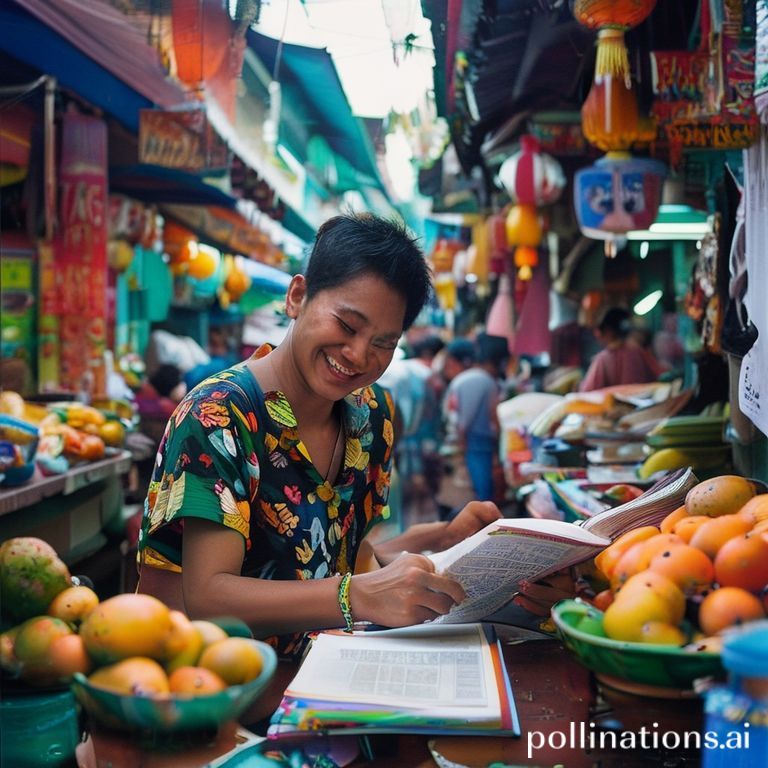
เรียนภาษาไทยด้วยตัวเอง: คู่มือฉบับสมบูรณ์ (Rīan phās̄ʹāthịy d̂wy tạwเอง: Khū̀mụ̄x cฉbạb s̄mbūrṇ̒)
สวัสดีครับ/ค่ะ! (S̄wạs̄dī khrạb/kh่ะ!) Learning Thai can seem like climbing a steep mountain. The tones, the script, the unfamiliar grammar… it’s enough to make anyone feel overwhelmed. I remember my own journey. Years ago, I landed in Bangkok with a phrasebook and a prayer. I wanted to immerse myself, to connect with the culture, but every attempt to speak felt like a clumsy, embarrassing charade. Ordering food was a gamble; asking for directions, a comedy of errors. I felt isolated, despite being surrounded by friendly faces. It *was* frustrating.
The Frustrations of the Aspiring Thai Speaker
Have you ever felt that frustration? The desire to speak Thai, to understand the vibrant conversations around you, but feeling utterly lost? Maybe you’ve tried language apps, downloaded vocabulary lists, even enrolled in a class, only to find yourself struggling to piece sentences together.
- The Tone Terror: Thai has five tones, and mispronouncing a word can change its meaning completely. This is arguably the biggest hurdle for learners.
- The Script Scramble: The Thai alphabet is beautiful but complex. Memorizing all those characters and their corresponding sounds can feel like an impossible task.
- The Grammar Gauntlet: Word order, classifiers, polite particles – Thai grammar can be quite different from English, leading to confusion and errors.
- The Immersion Illusion: Being in Thailand doesn’t automatically guarantee language acquisition. Without a structured approach and active effort, you might just end up relying on English.
These challenges can lead to discouragement and ultimately, giving up on your dream of speaking Thai. But don’t despair! There is a way to overcome these obstacles and achieve fluency. It takes time, dedication, and the right approach.
Unlocking the Secrets to Self-Taught Thai Fluency
The good news is that learning Thai on your own *is* possible. I went from struggling to order Pad Thai to holding meaningful conversations with locals. This is how I did it, and how you can too:
1. Mastering the Fundamentals: Phonetics and Tones
Before diving into vocabulary and grammar, prioritize pronunciation. Understanding the five tones is crucial. Here’s a breakdown:
- Mid Tone (สามัญ, s̄āmạỵ): The natural, resting tone of your voice.
- Low Tone (ต่ำ, t̀ả): A lower pitch than the mid tone.
- Falling Tone (ตก, dt̀k): Starts high and falls to a lower pitch.
- High Tone (สูง, s̄ūng): A higher pitch than the mid tone.
- Rising Tone (ขึ้น, k̄hụ̂n): Starts low and rises to a higher pitch.
Actionable Steps:
- Use Audio Resources: Listen to native speakers and repeat after them. Focus on mimicking the tones accurately. Apps like Forvo and YouTube channels dedicated to Thai pronunciation are invaluable.
- Record Yourself: Compare your pronunciation with native speakers. This will help you identify areas where you need improvement.
- Practice with Minimal Pairs: Minimal pairs are words that differ by only one tone or sound. Practicing these will help you train your ear and improve your pronunciation accuracy. For example: ‘maa’ (มา) can mean ‘come,’ ‘dog,’ ‘horse,’ depending on the tone.
2. Cracking the Code: The Thai Alphabet
The Thai alphabet has 44 consonants and 32 vowels. It might seem daunting, but breaking it down into manageable chunks makes it less intimidating.
Actionable Steps:
- Start with Consonants: Group consonants based on their ending sound (e.g., all consonants ending in ‘k’). This makes memorization easier.
- Learn Vowels Systematically: Vowels can appear before, after, above, or below consonants, or in combinations. Familiarize yourself with these patterns.
- Use Flashcards: Create flashcards with the Thai characters on one side and the transliteration and pronunciation on the other. Quiz yourself regularly. Anki is a great tool for this.
- Practice Reading Regularly: Even short sentences or words will help you reinforce your knowledge. Children’s books or simple Thai websites are excellent starting points.
3. Building Your Vocabulary: Practical and Contextual Learning
Focus on learning vocabulary that is relevant to your everyday life. Start with essential words and phrases related to greetings, food, transportation, and basic interactions.
Actionable Steps:
- Use Spaced Repetition Systems (SRS): SRS algorithms like Anki help you review vocabulary at optimal intervals, maximizing retention.
- Learn in Context: Don’t just memorize isolated words. Learn them in sentences and phrases. This will help you understand how they are used in real-life conversations.
- Label Your Surroundings: Put sticky notes with Thai words on objects around your house. This will help you associate the words with their meanings.
- Keep a Vocabulary Journal: Write down new words and phrases you encounter, along with their definitions and example sentences.
4. Navigating Thai Grammar: Simplicity and Structure
Thai grammar can be different, but don’t let it intimidate you. Focus on the core principles and gradually build your understanding.
Actionable Steps:
- Understand Word Order: Thai typically follows an Subject-Verb-Object (SVO) word order, similar to English.
- Master Classifiers: Classifiers are words used to count nouns. Learn common classifiers like ตัว (dtua) for animals and สิ่ง (sìng) for things.
- Learn Polite Particles: Particles like ครับ (krạb) for males and ค่ะ (kh่ะ) for females are essential for showing respect.
- Focus on Sentence Structure: Start with simple sentences and gradually increase complexity as you progress.
5. Immersion and Practice: Speak from Day One
The best way to learn Thai is to immerse yourself in the language and culture. Don’t be afraid to make mistakes – it’s part of the learning process.
Actionable Steps:
- Find Language Partners: Connect with native Thai speakers for language exchange. Online platforms like HelloTalk and Tandem are great resources.
- Watch Thai Movies and TV Shows: Start with subtitles and gradually reduce your reliance on them.
- Listen to Thai Music and Podcasts: Expose yourself to the sounds of the language.
- Visit Thai Restaurants: Order food in Thai and practice your conversation skills.
- Travel to Thailand (if possible): Immerse yourself in the culture and practice your Thai in real-life situations.
6. Stay Consistent and Patient: The Long Game
Learning a language takes time and effort. Don’t get discouraged if you don’t see results immediately. Consistency is key. Set realistic goals and celebrate your progress along the way.
7. Utilize Online Resources and Apps
There are countless free and paid resources available online. Here are a few recommendations:
- Duolingo: A game-based language learning app that’s great for beginners.
- Memrise: Another app that uses spaced repetition to help you memorize vocabulary.
- ThaiPod101: A comprehensive website with lessons, audio recordings, and more.
- Learn Thai with Mod: YouTube channel with clear and concise Thai lessons.
- Teach Yourself Thai: A popular textbook for self-learners.
My Thai Story: From Frustration to Fluency
I’m not going to lie, my journey wasn’t always easy. There were times when I felt like giving up. But I kept practicing, kept pushing myself, and slowly but surely, I started to see progress. I began to understand the conversations around me, to order food without hesitation, and to connect with people on a deeper level. The feeling of accomplishment was incredible.
Learning Thai opened up a whole new world for me. It allowed me to experience Thailand in a way that I never could have before. It deepened my appreciation for the culture and the people. And it gave me a sense of confidence that I never knew I possessed.
If I can do it, you can too. Don’t let the challenges scare you away. Embrace the journey, be patient with yourself, and celebrate your successes along the way. With dedication and the right approach, you can achieve your dream of speaking Thai fluently.
ขอให้โชคดีครับ/ค่ะ! (Khx h̄ı̂ chok dī khrạb/kh่ะ! – Good luck!)
แท็กยอดนิยม:
#เรียนภาษาไทย #ภาษาไทย #เรียนภาษาด้วยตนเอง #ภาษาไทยง่ายๆ #LearnThai #ThaiLanguage #SelfTaughtThai #ThaiForBeginners
You May Also Like
![{"prompt":"Photorealistic image of a person smiling while using a laptop to learn Thai online. The background shows iconic Thai landmarks like Wat Arun and the Grand Palace, subtly blurred. The laptop screen displays a Thai language learning interface. The overall mood is positive, inviting, and educational.","originalPrompt":"Photorealistic image of a person smiling while using a laptop to learn Thai online. The background shows iconic Thai landmarks like Wat Arun and the Grand Palace, subtly blurred. The laptop screen displays a Thai language learning interface. The overall mood is positive, inviting, and educational.","width":1024,"height":1024,"seed":15277,"model":"sana","enhance":false,"nologo":false,"negative_prompt":"undefined","nofeed":false,"safe":false,"quality":"medium","image":[],"transparent":false,"has_nsfw_concept":false,"concept":[],"trackingData":{"actualModel":"sana","usage":{"completionImageTokens":1,"totalTokenCount":1}}}](https://selfpreneur.club/wp-content/uploads/2026/01/cover-370-820x430.jpg "cover-370")
-
ม.ค. 29, 2026
เรียนภาษาไทยออนไลน์:...
![{"prompt":"Photorealistic, vibrant overhead shot of a table laden with various Thai dishes. Include Pad Thai, Tom Yum soup, Green Curry, and Mango Sticky Rice. The scene should be set in a modern Thai restaurant with soft, diffused lighting and a shallow depth of field to focus on the food. Garnishes such as cilantro, lime wedges, and chili peppers should be visible. Consider adding out-of-focus elements like traditional Thai bowls or chopsticks in the background to enhance the authenticity.","originalPrompt":"Photorealistic, vibrant overhead shot of a table laden with various Thai dishes. Include Pad Thai, Tom Yum soup, Green Curry, and Mango Sticky Rice. The scene should be set in a modern Thai restaurant with soft, diffused lighting and a shallow depth of field to focus on the food. Garnishes such as cilantro, lime wedges, and chili peppers should be visible. Consider adding out-of-focus elements like traditional Thai bowls or chopsticks in the background to enhance the authenticity.","width":1024,"height":1024,"seed":15155,"model":"sana","enhance":false,"nologo":false,"negative_prompt":"undefined","nofeed":false,"safe":false,"quality":"medium","image":[],"transparent":false,"has_nsfw_concept":false,"concept":[],"trackingData":{"actualModel":"sana","usage":{"completionImageTokens":1,"totalTokenCount":1}}}](https://selfpreneur.club/wp-content/uploads/2026/01/cover-368-820x430.jpg "cover-368")
-
ม.ค. 29, 2026
ดื่มด่ำเสน่ห์อาหารไท...
![{"prompt":"Photorealistic image of a modern condominium in Bangkok at sunset, with city lights twinkling in the background. The image should evoke a sense of luxury and investment opportunity. A silhouette of a potential investor looking out from a balcony could be included.","originalPrompt":"Photorealistic image of a modern condominium in Bangkok at sunset, with city lights twinkling in the background. The image should evoke a sense of luxury and investment opportunity. A silhouette of a potential investor looking out from a balcony could be included.","width":1024,"height":1024,"seed":15033,"model":"sana","enhance":false,"nologo":false,"negative_prompt":"undefined","nofeed":false,"safe":false,"quality":"medium","image":[],"transparent":false,"has_nsfw_concept":false,"concept":[],"trackingData":{"actualModel":"sana","usage":{"completionImageTokens":1,"totalTokenCount":1}}}](https://selfpreneur.club/wp-content/uploads/2026/01/cover-366-820x430.jpg "cover-366")
-
ม.ค. 29, 2026
การลงทุนในอสังหาริมท...
![{"prompt":"A vibrant and inviting photorealistic image of a person studying the Thai alphabet with a friendly Thai tutor in the background. The setting is a cozy cafe with traditional Thai decorations. The person is using a tablet displaying Thai words and phrases, while the tutor smiles encouragingly. The overall atmosphere is positive, energetic, and culturally rich.","originalPrompt":"A vibrant and inviting photorealistic image of a person studying the Thai alphabet with a friendly Thai tutor in the background. The setting is a cozy cafe with traditional Thai decorations. The person is using a tablet displaying Thai words and phrases, while the tutor smiles encouragingly. The overall atmosphere is positive, energetic, and culturally rich.","width":1024,"height":1024,"seed":14972,"model":"sana","enhance":false,"nologo":false,"negative_prompt":"undefined","nofeed":false,"safe":false,"quality":"medium","image":[],"transparent":false,"has_nsfw_concept":false,"concept":[],"trackingData":{"actualModel":"sana","usage":{"completionImageTokens":1,"totalTokenCount":1}}}](https://selfpreneur.club/wp-content/uploads/2026/01/cover-365-820x430.jpg "cover-365")
-
ม.ค. 29, 2026
เรียนภาษาไทยด้วยตัวเ...
Sign up to receive our latest updates
Get in touch
Call us directly?
+1 234 567 8910
Address
Howard Street, San Francisco
contact@eduma.com