
การจัดการความเครียดอย่างมีประสิทธิภาพ (Kān Cัd Kān Khwām Khrīat Y่าง Mī Prasitthiphā̄p): Your Guide to Stress Management in Thailand
Imagine this: You’re stuck in Bangkok traffic. The sun is blazing. Your phone is buzzing with work emails requiring immediate attention. You’re late for a crucial meeting. Inside, you feel the tension building, your heart racing, and your patience wearing thin. Sound familiar? This is a scene many Thais (and visitors!) face daily. Stress is a ubiquitous part of modern life, but learning how to manage it is crucial for our well-being. In this article, we delve into effective stress management techniques, tailored for the Thai context, exploring both traditional wisdom and modern strategies.
ปัญหา: ความเครียดคือภัยเงียบ (Pan̆hā: Khwām Khrīat Khື̄x Phạy Ngīyb: The Problem: Stress is a Silent Threat)
The hustle and bustle of Thai life, especially in major cities like Bangkok, Chiang Mai, and Phuket, can be incredibly demanding. From navigating the complex social nuances (Kreng jai, anyone?) to meeting demanding work expectations and facing financial pressures, Thais experience stress on a daily basis. Ignoring this stress can have serious consequences for both physical and mental health.
ผลกระทบของความเครียด (Phlกระทb Khxng Khwām Khrīat: The Impact of Stress)
- Physical Health: Chronic stress can lead to headaches, muscle tension, digestive problems, high blood pressure, and a weakened immune system.
- Mental Health: Stress is a major contributor to anxiety, depression, irritability, difficulty concentrating, and burnout.
- Relationships: Unmanaged stress can strain relationships with family, friends, and colleagues, leading to communication problems and increased conflict.
- Productivity: Stress impairs cognitive function, making it difficult to focus, make decisions, and perform effectively at work or in studies.
Consider the story of Anya, a young graphic designer working for a bustling advertising agency in Bangkok. Anya consistently pulled long hours, striving to meet ever-tightening deadlines. She skipped lunch, relied on caffeine to stay awake, and rarely found time for exercise or relaxation. Initially, she felt a sense of accomplishment, but over time, Anya became increasingly irritable, anxious, and exhausted. She developed chronic headaches and began experiencing panic attacks. Her work quality suffered, and her relationships with her colleagues and family deteriorated. Anya’s story exemplifies the devastating impact of unmanaged stress.
ความปั่นป่วน: เผชิญหน้ากับความจริง (Khwām P̄ั่นp̄̀wn: P̄hēc̄hิญ H̄n̂ā Kạb Khwām Cring: Agitation: Facing the Reality)
Anya’s story, while fictional, is far from unique. Many Thais internalize stress, often suppressing emotions and avoiding seeking help due to societal pressures or cultural norms. The concept of “saving face” (รักษาหน้า – Raksā H̄n̂ā) can prevent individuals from admitting they are struggling. The idea of *Kreng Jai* also means that many people do not want to burden others with their problems.
สัญญาณเตือนของความเครียด (Sạỵỵāṇ เตือน Khxng Khwām Khrīat: Warning Signs of Stress)
Recognizing the early warning signs of stress is crucial for preventing burnout and maintaining well-being. These signs might include:
- Changes in sleep patterns (insomnia or excessive sleep)
- Changes in appetite (loss of appetite or overeating)
- Increased irritability or mood swings
- Difficulty concentrating or making decisions
- Physical symptoms like headaches, muscle tension, or digestive problems
- Social withdrawal
- Feeling overwhelmed or helpless
It’s important to acknowledge these signs and take proactive steps to manage stress before it escalates into a more serious problem.
ทางออก: กลยุทธ์การจัดการความเครียดสำหรับคนไทย (Thāngx̀xk: Klayut̄h Kār Cัd Kān Khwām Khrīat S̄ảh̄rạ̄b Khn Thai: Solution: Stress Management Strategies for Thais)
Fortunately, there are many effective strategies for managing stress and improving overall well-being. These strategies can be tailored to individual needs and preferences, incorporating both modern and traditional Thai approaches.
1. การฝึกสติและการทำสมาธิ (Kār F̄ụk S̄ti Læa Kār Thả Samāṭhi: Mindfulness and Meditation)
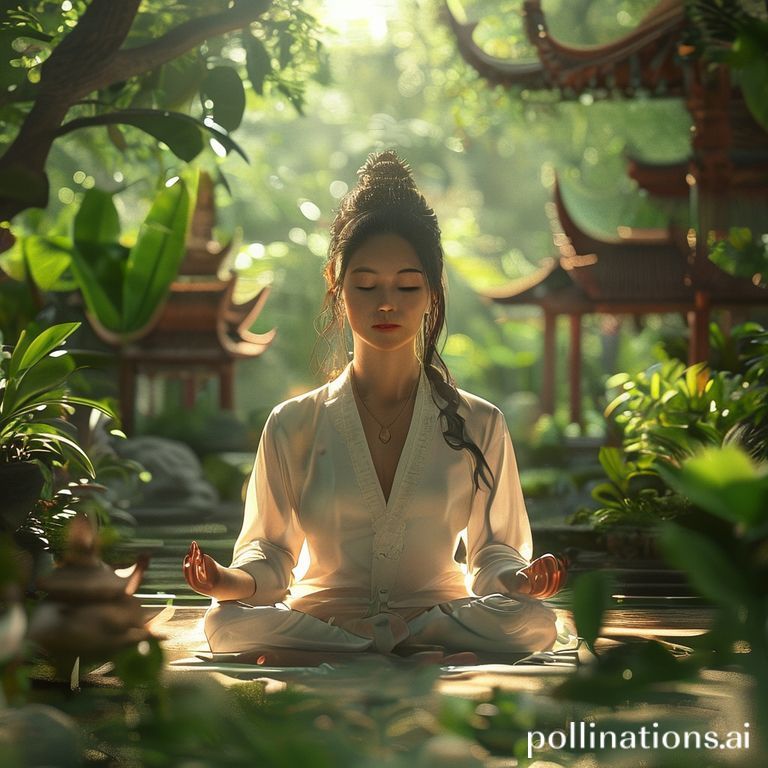
Mindfulness meditation is a powerful technique for reducing stress and increasing awareness of the present moment. In Thai culture, Buddhism emphasizes mindfulness and meditation as essential practices for achieving inner peace and well-being. You don’t need to subscribe to Buddhism to benefit from it, however. Taking just 10-15 minutes each day to practice mindfulness or meditation can significantly reduce stress levels.
How to Practice Mindfulness:
- Find a quiet and comfortable place to sit or lie down.
- Close your eyes and focus on your breath.
- Notice the sensations of your breath as it enters and leaves your body.
- When your mind wanders, gently redirect your attention back to your breath.
2. การออกกำลังกายอย่างสม่ำเสมอ (Kār XXk Kảlạngkāy Y่าง S̄am̄àsm̄ēx: Regular Exercise)
Physical activity is a fantastic stress reliever. Exercise releases endorphins, which have mood-boosting effects. Aim for at least 30 minutes of moderate-intensity exercise most days of the week. Choose activities you enjoy, such as walking, jogging, swimming, cycling, or even dancing. Consider joining a local Muay Thai class for a traditional Thai workout that also helps release pent-up energy and aggression.
3. การกินอาหารที่มีประโยชน์ต่อสุขภาพ (Kār Kin Ạ̄h̄ār Thī̀ Mī Prayōchn̒ T̀x S̄uk̄hp̄hāph: Healthy Eating)
A healthy diet is essential for managing stress. Avoid processed foods, sugary drinks, and excessive caffeine, which can exacerbate anxiety and irritability. Focus on eating whole, unprocessed foods, including fruits, vegetables, lean protein, and whole grains. Embrace Thai cuisine, but be mindful of portion sizes and choose dishes that are lower in fat and sodium. Try incorporating herbal teas like chamomile or pandan leaf tea (น้ำใบเตย – N̂ả Biiteoy), known for their calming properties.
4. การนอนหลับพักผ่อนให้เพียงพอ (Kār Nxn H̄lạb P̄hạkp̄h̀xn H̄ı̂ Pheīyngphx: Adequate Sleep)
Getting enough sleep is crucial for both physical and mental health. Aim for 7-8 hours of sleep per night. Create a relaxing bedtime routine to prepare your body for sleep. Avoid using electronic devices before bed, as the blue light emitted from screens can interfere with sleep. Establish a regular sleep schedule, even on weekends, to regulate your body’s natural sleep-wake cycle. If you find it hard to get regular sleep, try to create a calm environment by burning scents, such as, Jasmine or Lavender.
5. การสร้างความสัมพันธ์ทางสังคม (Kār S̄r̂āng Khwām S̄ạmphạnṭh̒ Thāng S̄ạngkhm: Social Connection)
Spending time with loved ones is a powerful stress reliever. Strong social connections provide support, reduce feelings of loneliness, and offer opportunities for laughter and joy. Prioritize spending time with family and friends, whether it’s going out for a meal, attending a social event, or simply having a conversation. Embrace the Thai tradition of *Sanuk* (สนุก) – finding pleasure and enjoyment in everyday activities. Socialization is a great way to enjoy your environment and can serve as a welcome distraction from daily stresses.
6. การใช้เวลาในธรรมชาติ (Kār Chı̂ Welā Nı Ṭhạmชาติ: Spending Time in Nature)
Spending time in nature can have a profound impact on your well-being. Studies have shown that being in nature reduces stress hormones, lowers blood pressure, and improves mood. Take advantage of Thailand’s beautiful natural landscapes by visiting parks, beaches, or mountains. Engage in outdoor activities like hiking, swimming, or simply relaxing in a hammock. Nature allows the mind to rest and recharge, returning you back to your responsibilities feeling fresher and more energized.
7. การขอความช่วยเหลือจากผู้เชี่ยวชาญ (Kār Khx Khwām Ch̀wyh̄elụ̄x Cāk Phū̂ Cheī̀ywchāญ: Seeking Professional Help)
If you are struggling to manage stress on your own, don’t hesitate to seek professional help. A therapist or counselor can provide you with tools and strategies for coping with stress and improving your mental health. This may involve Cognitive Behavioral Therapy (CBT) techniques. Seeking help is a sign of strength, not weakness, and it can make a significant difference in your quality of life. Consider support groups or even talking with trusted friends and/or family, as it’s important to seek a path that is comfortable for you.
Back to Anya…
Remember Anya, the graphic designer overwhelmed by stress? After experiencing panic attacks and chronic headaches, Anya finally sought help from a therapist. Through therapy, Anya learned mindfulness techniques, improved her time management skills, and set boundaries at work. She started exercising regularly, eating a healthier diet, and prioritizing sleep. Anya also reconnected with her friends and family, finding joy in spending time with loved ones. Gradually, Anya’s stress levels decreased, her mental and physical health improved, and she regained her zest for life. Her story is a testament to the power of effective stress management.
Conclusion: Take Control of Your Stress
Stress is an inevitable part of life, but it doesn’t have to control you. By incorporating these stress management techniques into your daily routine, you can improve your well-being, enhance your relationships, and achieve your goals. Embrace the wisdom of Thai culture, prioritize self-care, and seek help when needed. Remember that you are not alone, and with the right tools and support, you can overcome stress and live a fulfilling life. Begin your journey to a less stressful life today.
แท็กยอดนิยม:
#จัดการความเครียด #ลดความเครียด #สุขภาพจิต #คนไทย #การทำสมาธิ #StressManagement #ThaiHealth #MentalWellbeing #Thailand #Mindfulness
You May Also Like
![{"prompt":"A visually appealing photograph featuring a close-up of open Thai language textbook with a traditional Thai market scene in the background, symbolizing learning and immersion in Thai culture. Happy student with a smile, holding the book. Warm lighting, high resolution.","originalPrompt":"A visually appealing photograph featuring a close-up of open Thai language textbook with a traditional Thai market scene in the background, symbolizing learning and immersion in Thai culture. Happy student with a smile, holding the book. Warm lighting, high resolution.","width":1024,"height":1024,"seed":14850,"model":"sana","enhance":false,"nologo":false,"negative_prompt":"undefined","nofeed":false,"safe":false,"quality":"medium","image":[],"transparent":false,"has_nsfw_concept":false,"concept":[],"trackingData":{"actualModel":"sana","usage":{"completionImageTokens":1,"totalTokenCount":1}}}](https://selfpreneur.club/wp-content/uploads/2026/01/cover-363-820x430.jpg "cover-363")
-
ม.ค. 29, 2026
เรียนรู้การใช้ภาษาไท...
![{"prompt":"Photorealistic, close-up shot of an assortment of vibrant Thai ingredients artfully arranged on a rustic wooden table. Include chilies, lemongrass, galangal, kaffir lime leaves, fish sauce, palm sugar, and a mortar and pestle. Soft, natural lighting with shallow depth of field to emphasize the freshness of the components. The overall mood should be warm, inviting, and illustrative of traditional Thai culinary practices.","originalPrompt":"Photorealistic, close-up shot of an assortment of vibrant Thai ingredients artfully arranged on a rustic wooden table. Include chilies, lemongrass, galangal, kaffir lime leaves, fish sauce, palm sugar, and a mortar and pestle. Soft, natural lighting with shallow depth of field to emphasize the freshness of the components. The overall mood should be warm, inviting, and illustrative of traditional Thai culinary practices.","width":1024,"height":1024,"seed":14789,"model":"sana","enhance":false,"nologo":false,"negative_prompt":"undefined","nofeed":false,"safe":false,"quality":"medium","image":[],"transparent":false,"has_nsfw_concept":false,"concept":[],"trackingData":{"actualModel":"sana","usage":{"completionImageTokens":1,"totalTokenCount":1}}}](https://selfpreneur.club/wp-content/uploads/2026/01/cover-362-820x430.jpg "cover-362")
-
ม.ค. 29, 2026
การเดินทางสู่ใจกลางอ...
![{"prompt":"Photorealistic image of a smiling person studying Thai language materials, such as a textbook, apps, and flashcards, with a Thai flag in the background. The scene should depict a positive and encouraging learning environment.","originalPrompt":"Photorealistic image of a smiling person studying Thai language materials, such as a textbook, apps, and flashcards, with a Thai flag in the background. The scene should depict a positive and encouraging learning environment.","width":1024,"height":1024,"seed":14728,"model":"sana","enhance":false,"nologo":false,"negative_prompt":"undefined","nofeed":false,"safe":false,"quality":"medium","image":[],"transparent":false,"has_nsfw_concept":false,"concept":[],"trackingData":{"actualModel":"sana","usage":{"completionImageTokens":1,"totalTokenCount":1}}}](https://selfpreneur.club/wp-content/uploads/2026/01/cover-361-820x430.jpg "cover-361")
-
ม.ค. 29, 2026
5 เคล็ดลับสู่ความสำเ...
![{"prompt":"Photorealistic cover image depicting a friendly conversation between a tourist and a Thai local at a vibrant Thai market. The tourist is attempting to order food in Thai, and the local is smiling and helping them. The background should show bustling market activity with colorful fruits, vegetables, and Thai street food.","originalPrompt":"Photorealistic cover image depicting a friendly conversation between a tourist and a Thai local at a vibrant Thai market. The tourist is attempting to order food in Thai, and the local is smiling and helping them. The background should show bustling market activity with colorful fruits, vegetables, and Thai street food.","width":1024,"height":1024,"seed":14604,"model":"sana","enhance":false,"nologo":false,"negative_prompt":"undefined","nofeed":false,"safe":false,"quality":"medium","image":[],"transparent":false,"has_nsfw_concept":false,"concept":[],"trackingData":{"actualModel":"sana","usage":{"completionImageTokens":1,"totalTokenCount":1}}}](https://selfpreneur.club/wp-content/uploads/2026/01/cover-359-820x430.jpg "cover-359")
-
ม.ค. 29, 2026
เรียนภาษาไทย: คู่มือ...
Sign up to receive our latest updates
Get in touch
Call us directly?
+1 234 567 8910
Address
Howard Street, San Francisco
contact@eduma.com