


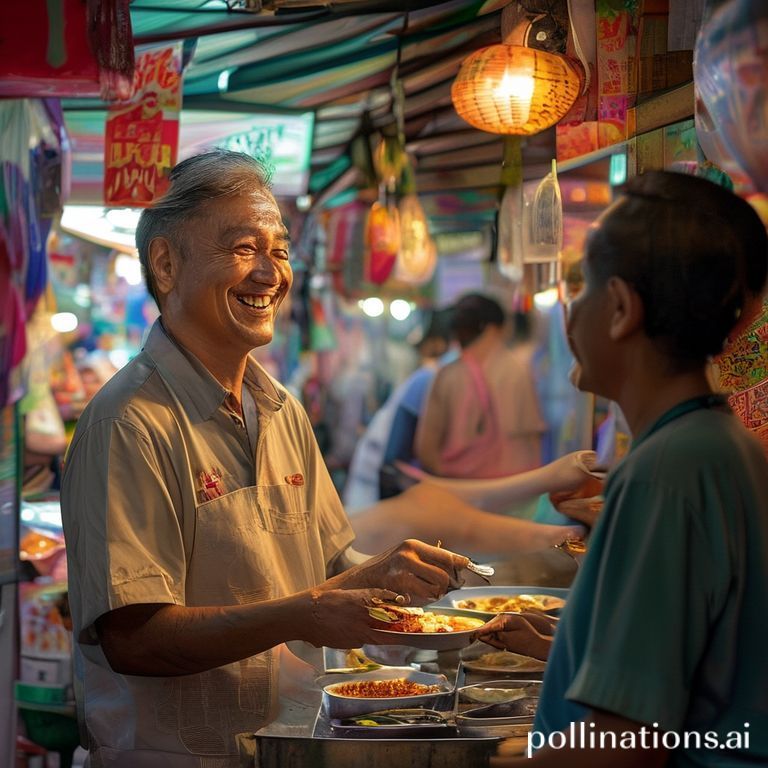
ฝึกภาษาไทย: เคล็ดลับสู่ความสำเร็จและชีวิตที่เปลี่ยนไป (Learn Thai: Secrets to Success and a Life Transformed)
สวัสดีครับทุกคน! (Sawasdee krap, everyone!) Have you ever dreamt of exploring the vibrant streets of Bangkok, effortlessly ordering Pad Thai in perfect Thai, or understanding the nuances of a captivating Thai TV series without relying on subtitles? Many people do, but learning Thai can seem like a daunting mountain to climb. This article isn’t just another language learning guide; it’s a story, a collection of practical tips, and a roadmap to unlock the beauty and richness of the Thai language and culture. Let’s embark on this journey together!
เรื่องราวของผม: จากความสับสนสู่ความเข้าใจ (My Story: From Confusion to Understanding)
I remember my first trip to Thailand vividly. The sights, sounds, and smells were intoxicating, but the language barrier was a frustrating wall. I tried memorizing a few basic phrases, but quickly realized that Thai was unlike any language I had encountered before. The tones, the unfamiliar script, and the seemingly endless exceptions to every rule left me feeling lost and confused. I felt like an outsider, missing out on a deeper connection with the people and the culture.
Like many others, I initially struggled with the infamous Thai tones. I’d say a simple greeting like ‘Sawasdee’ (สวัสดี) and receive only blank stares or, worse, stifled laughter. I knew I was doing *something* wrong, but couldn’t pinpoint what. I tried language apps, textbooks, and even hired a tutor, but progress felt slow and frustrating. I almost gave up.
Then, I had a breakthrough. A local friend explained that it wasn’t just about memorizing words; it was about understanding the *music* of the language, the subtle vocal inflections that change the meaning of a word entirely. She introduced me to resources, strategies, and most importantly, a supportive community that helped me overcome my challenges. Slowly but surely, I started to understand. My pronunciation improved, my confidence grew, and I began to feel a real connection to the Thai language and culture.
ปัญหา: อุปสรรคที่พบบ่อยในการเรียนภาษาไทย (The Problem: Common Obstacles in Learning Thai)
Learning any new language presents challenges, but Thai has a few unique hurdles that can trip up even the most dedicated learners:
- The Tones: Thai has five tones: mid, low, falling, high, and rising. Mispronouncing a tone can completely change the meaning of a word. แมว (maeo – mid tone) means cat, while แหมว (maeow – rising tone) is an entirely different sound.
- The Script: The Thai alphabet is derived from the Khmer script and is significantly different from the Latin alphabet. It can be intimidating for beginners.
- Grammar: While Thai grammar is relatively simple in some ways (no verb conjugations based on person), sentence structure and word order can be confusing.
- Cultural Nuances: Language is inseparable from culture. Understanding Thai customs, social etiquette, and indirect communication styles is crucial for effective communication.
- Lack of Resources: While the availability of resources has improved, finding high-quality, engaging learning materials specifically tailored to your needs can still be challenging.
- Procrastination and Lack of Motivation: It’s easy to start strong, but maintaining motivation and consistently practicing over a long period is essential for success.
กระตุ้น: ผลกระทบของการไม่เรียนภาษาไทย (Agitation: The Consequences of Not Learning Thai)
Imagine continuing to navigate Thailand as a perpetual tourist, always relying on others to translate and explain. You’ll miss out on:
- Deeper Cultural Immersion: You’ll only scratch the surface of Thai culture and miss out on the richness and depth that comes with understanding the language.
- Meaningful Relationships: Communicating in Thai allows you to connect with locals on a deeper level, build genuine friendships, and experience the warmth and hospitality of the Thai people.
- Professional Opportunities: In a globalized world, knowing Thai can open doors to a wide range of career opportunities in tourism, business, translation, and international relations.
- Personal Growth: Learning a new language broadens your perspective, enhances your cognitive abilities, and boosts your confidence.
- Everyday Experiences: Simple things like ordering food, bargaining at a market, or asking for directions become much more enjoyable and rewarding when you can communicate in Thai.
The frustration of not being able to understand conversations, the awkwardness of relying solely on gestures, and the missed opportunities for connection can leave you feeling isolated and disconnected. Don’t let these obstacles hold you back. The rewards of learning Thai are well worth the effort.
ทางออก: วิธีการเรียนภาษาไทยอย่างมีประสิทธิภาพ (The Solution: How to Learn Thai Effectively)
Here’s a practical roadmap to help you navigate the challenges and achieve fluency in Thai:
1. ตั้งเป้าหมายที่เป็นจริงและวัดผลได้ (Set Realistic and Measurable Goals)
Don’t try to learn everything at once. Start with small, achievable goals. For example, aim to learn 10 new words a week, master basic greetings and introductions, or be able to order your favorite Thai dish without looking at a menu. Track your progress and celebrate your milestones to stay motivated.
2. เรียนรู้ตัวอักษรไทย (Learn the Thai Alphabet)
While it might seem daunting at first, mastering the Thai alphabet is essential for reading and pronunciation. There are numerous online resources and apps that can help you learn the letters, consonants, and vowels. Focus on recognizing the shapes and sounds of each character, and practice writing them regularly.
3. เน้นการออกเสียงที่ถูกต้อง (Focus on Accurate Pronunciation)
Pay close attention to the five Thai tones. Use online audio resources, language learning apps, or work with a tutor to practice your pronunciation. Record yourself speaking and compare it to native speakers. Don’t be afraid to make mistakes; it’s part of the learning process. Listen to Thai music, podcasts, and TV shows to immerse yourself in the sounds of the language.
4. ใช้แหล่งข้อมูลที่หลากหลาย (Utilize Diverse Resources)
Don’t rely on a single textbook or app. Explore a variety of resources, including:
- Language Learning Apps: Duolingo, Memrise, and Drops offer gamified lessons and vocabulary building exercises.
- Online Dictionaries and Translation Tools: Use Google Translate, Thai-English dictionaries, and online translation tools to look up words and phrases.
- Thai Language Textbooks and Workbooks: Invest in a good textbook that covers grammar, vocabulary, and cultural insights.
- YouTube Channels and Podcasts: Find Thai language learning channels and podcasts that provide engaging lessons and cultural content.
- Language Exchange Partners: Connect with native Thai speakers online or in person to practice your speaking skills.
- Thai TV Shows and Movies: Watch Thai TV shows and movies with subtitles to improve your listening comprehension and vocabulary.
- Thai Music: Listen to Thai music to familiarize yourself with the sounds and rhythms of the language.
5. ฝึกฝนอย่างสม่ำเสมอ (Practice Consistently)
The key to success in language learning is consistent practice. Dedicate at least 30 minutes a day to studying Thai. Practice speaking, reading, and listening regularly. Don’t be afraid to make mistakes; it’s part of the learning process. Find opportunities to use your Thai skills in real-life situations, such as ordering food, asking for directions, or chatting with locals.
6. ดื่มด่ำกับวัฒนธรรมไทย (Immerse Yourself in Thai Culture)
Language is inseparable from culture. Learn about Thai customs, traditions, and social etiquette. Attend Thai festivals, try Thai food, and learn about Thai history and art. Understanding the cultural context will enhance your understanding of the language and make your learning experience more enjoyable.
7. หาเพื่อนเรียนภาษาไทย (Find a Thai Language Learning Community)
Connect with other Thai language learners online or in person. Share your experiences, ask questions, and support each other. Having a community of like-minded individuals can provide motivation, encouragement, and valuable learning opportunities.
8. อดทนและอย่าท้อแท้ (Be Patient and Persistent)
Learning a new language takes time and effort. Don’t get discouraged if you don’t see results immediately. Celebrate your progress, learn from your mistakes, and keep practicing. With dedication and perseverance, you can achieve your goal of fluency in Thai.
สรุป: ภาษาไทยเปิดโลก (Conclusion: Thai Opens Up the World)
Learning Thai is an investment in yourself, your future, and your connection to the world. It’s a challenging but incredibly rewarding journey that will open your eyes to a new culture, new perspectives, and new opportunities. Don’t let the obstacles hold you back. Embrace the challenge, find the right resources, and start practicing today. With dedication and perseverance, you can unlock the beauty and richness of the Thai language and culture.
ขอให้โชคดี! (Khaw hai chok dee! – Good luck!)
แท็กยอดนิยม:
#เรียนภาษาไทย #ภาษาไทย #ฝึกภาษาไทย #ภาษาไทยง่ายๆ #LearnThai #ThaiLanguage #SpeakThai #ThaiForBeginners
You May Also Like
![{"prompt":"Photorealistic image of a smiling person studying Thai language materials, such as a textbook, apps, and flashcards, with a Thai flag in the background. The scene should depict a positive and encouraging learning environment.","originalPrompt":"Photorealistic image of a smiling person studying Thai language materials, such as a textbook, apps, and flashcards, with a Thai flag in the background. The scene should depict a positive and encouraging learning environment.","width":1024,"height":1024,"seed":14728,"model":"sana","enhance":false,"nologo":false,"negative_prompt":"undefined","nofeed":false,"safe":false,"quality":"medium","image":[],"transparent":false,"has_nsfw_concept":false,"concept":[],"trackingData":{"actualModel":"sana","usage":{"completionImageTokens":1,"totalTokenCount":1}}}](https://selfpreneur.club/wp-content/uploads/2026/01/cover-361-820x430.jpg "cover-361")
-
ม.ค. 29, 2026
5 เคล็ดลับสู่ความสำเ...
![{"prompt":"Photorealistic cover image depicting a friendly conversation between a tourist and a Thai local at a vibrant Thai market. The tourist is attempting to order food in Thai, and the local is smiling and helping them. The background should show bustling market activity with colorful fruits, vegetables, and Thai street food.","originalPrompt":"Photorealistic cover image depicting a friendly conversation between a tourist and a Thai local at a vibrant Thai market. The tourist is attempting to order food in Thai, and the local is smiling and helping them. The background should show bustling market activity with colorful fruits, vegetables, and Thai street food.","width":1024,"height":1024,"seed":14604,"model":"sana","enhance":false,"nologo":false,"negative_prompt":"undefined","nofeed":false,"safe":false,"quality":"medium","image":[],"transparent":false,"has_nsfw_concept":false,"concept":[],"trackingData":{"actualModel":"sana","usage":{"completionImageTokens":1,"totalTokenCount":1}}}](https://selfpreneur.club/wp-content/uploads/2026/01/cover-359-820x430.jpg "cover-359")
-
ม.ค. 29, 2026
เรียนภาษาไทย: คู่มือ...
![{"prompt":"Detailed photorealistic image of a Thai person looking thoughtfully at tax documents and a calculator, with the Thai flag subtly in the background. The scene should convey a sense of understanding and empowerment over tax complexities.","originalPrompt":"Detailed photorealistic image of a Thai person looking thoughtfully at tax documents and a calculator, with the Thai flag subtly in the background. The scene should convey a sense of understanding and empowerment over tax complexities.","width":1024,"height":1024,"seed":14541,"model":"sana","enhance":false,"nologo":false,"negative_prompt":"undefined","nofeed":false,"safe":false,"quality":"medium","image":[],"transparent":false,"has_nsfw_concept":false,"concept":[],"trackingData":{"actualModel":"sana","usage":{"completionImageTokens":1,"totalTokenCount":1}}}](https://selfpreneur.club/wp-content/uploads/2026/01/cover-358-820x430.jpg "cover-358")
-
ม.ค. 29, 2026
ทำความเข้าใจความแตกต...
![{"prompt":"Photorealistic image of a smiling person, both Thai and non-Thai, possibly expatriate, laughing and enjoying a meal together at a vibrant Thai street food stall. Focus on the joyful atmosphere and cross-cultural friendship. The background should be colorful and lively, reflecting the essence of Thai culture and cuisine.","originalPrompt":"Photorealistic image of a smiling person, both Thai and non-Thai, possibly expatriate, laughing and enjoying a meal together at a vibrant Thai street food stall. Focus on the joyful atmosphere and cross-cultural friendship. The background should be colorful and lively, reflecting the essence of Thai culture and cuisine.","width":1024,"height":1024,"seed":14480,"model":"sana","enhance":false,"nologo":false,"negative_prompt":"undefined","nofeed":false,"safe":false,"quality":"medium","image":[],"transparent":false,"has_nsfw_concept":false,"concept":[],"trackingData":{"actualModel":"sana","usage":{"completionImageTokens":1,"totalTokenCount":1}}}](https://selfpreneur.club/wp-content/uploads/2026/01/cover-357-820x430.jpg "cover-357")
-
ม.ค. 29, 2026
การเดินทางสู่ความสุข...
Sign up to receive our latest updates
Get in touch
Call us directly?
+1 234 567 8910
Address
Howard Street, San Francisco
contact@eduma.com