

[Thai Title Placeholder] (The Art of Thai Massage: A Complete Guide)
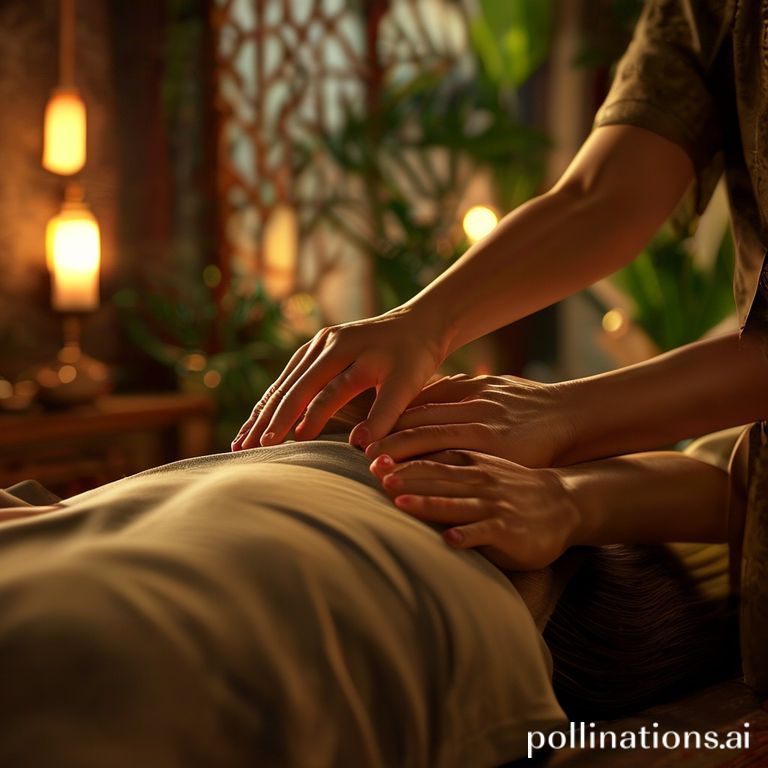
Imagine this: You’ve just arrived in Thailand, a land of golden temples and vibrant markets. But after a long day of exploring, your muscles ache, your back screams, and you feel utterly exhausted. You stumble into a small, unassuming spa, where a kind-faced woman greets you with a warm smile. She leads you to a mat on the floor, and what follows is nothing short of miraculous. She uses her hands, elbows, knees, and even her feet to stretch, compress, and manipulate your body. Afterward, you feel lighter, more flexible, and completely rejuvenated. This, my friends, is the power of Thai massage.
What is Thai Massage? A Deep Dive into Nuad Thai
Thai massage, known in Thai as “นวดแผนไทย” (Nuad Phaen Thai), is an ancient healing system combining acupressure, assisted yoga postures, and principles of Ayurvedic medicine. Unlike Western massage, which primarily focuses on muscle tissue, Thai massage works on the body’s energy lines, known as “sen,” to release blockages and restore balance. This energetic focus is what sets it apart and contributes to its profound therapeutic effects.
The Problem: Stress, Tension, and Imbalance
In today’s fast-paced world, we’re constantly bombarded with stress. Long hours at work, poor posture, lack of exercise, and emotional strain all take a toll on our bodies. This manifests as muscle tension, back pain, headaches, and a general feeling of being overwhelmed. Many of us turn to painkillers or other quick fixes, but these only mask the symptoms without addressing the underlying cause. The problem isn’t just physical; it’s energetic. When our energy flow is blocked, we experience a wide range of health problems, both physical and emotional.
The Agitation: Ignoring the Signals and the Downward Spiral
Ignoring these signals only exacerbates the problem. The tension builds, the pain intensifies, and our bodies become increasingly rigid and inflexible. We become less active, more stressed, and more prone to illness. This downward spiral can lead to chronic pain, fatigue, depression, and a diminished quality of life. The longer we wait to address these issues, the harder it becomes to break free from this cycle.
The Solution: Embracing the Healing Power of Thai Massage
Thai massage offers a holistic solution to this problem. By working on the body’s energy lines and releasing muscle tension, it promotes relaxation, reduces pain, improves flexibility, and restores balance. It’s not just a massage; it’s a therapeutic practice that addresses the root cause of our physical and emotional ailments. Let’s explore the many benefits and aspects of Nuad Thai.
Benefits of Thai Massage: More Than Just Relaxation
The benefits of Thai massage extend far beyond simple relaxation. Here are some of the key advantages:
- Reduced Muscle Tension: The deep stretches and acupressure techniques help release muscle knots and tightness, alleviating pain and improving range of motion.
- Pain Relief: Thai massage is effective for relieving back pain, neck pain, headaches, and other types of chronic pain. Studies have shown its positive impact on osteoarthritis symptoms.
- Improved Flexibility: The assisted yoga postures increase flexibility and range of motion, making it easier to move and perform daily activities.
- Stress Reduction: The rhythmic movements and gentle pressure promote relaxation and reduce stress hormones, leading to a sense of calm and well-being.
- Improved Circulation: The massage techniques stimulate blood flow, delivering oxygen and nutrients to the tissues and promoting healing.
- Increased Energy Levels: By releasing energy blockages and restoring balance, Thai massage can increase energy levels and reduce fatigue.
- Improved Posture: Addresses muscle imbalances that cause bad posture, leading to better overall posture.
- Mental Clarity: Reduced physical tension leads to clearer thinking and better concentration.
- Sleep Improvement: Reduced stress and tension leads to better sleep.
Understanding the Sen Energy Lines
A fundamental aspect of Thai massage is the concept of “sen,” which are energy channels that run throughout the body, similar to meridians in Traditional Chinese Medicine. According to Thai massage theory, there are ten major sen lines, each associated with specific organs and bodily functions. When these sen lines become blocked or imbalanced, it can lead to pain, illness, and emotional distress. During a Thai massage session, the practitioner uses a variety of techniques to stimulate and clear these sen lines, restoring the flow of energy and promoting healing.
The Techniques of Thai Massage: More Than Just Kneading
Thai massage is a highly interactive practice, involving a combination of acupressure, stretching, and assisted yoga postures.
- Acupressure: Applying pressure to specific points on the body to release tension and stimulate energy flow.
- Stretching: Gently stretching muscles and joints to improve flexibility and range of motion.
- Assisted Yoga Postures: Guiding the recipient through yoga-like poses to deepen stretches and release tension.
- Compression: Using palms, elbows, knees, and feet to apply pressure to muscles and connective tissues.
- Joint Mobilization: Gently moving joints to restore their natural range of motion.
Unlike Western massage, Thai massage is typically performed on a mat on the floor, and the recipient remains fully clothed. The practitioner uses their entire body to apply pressure and guide the recipient through the various postures. The session is often described as a dance between the giver and the receiver, with both contributing to the healing process.
Finding a Qualified Thai Massage Practitioner in Thailand (and Beyond)
If you’re in Thailand, you’ll find Thai massage parlors on almost every corner. However, it’s essential to choose a qualified and experienced practitioner to ensure safety and effectiveness. Look for therapists who are certified by reputable schools or organizations. Ask about their experience and training, and don’t be afraid to request a trial session to see if their style is a good fit for you.
Outside of Thailand, finding a qualified Thai massage therapist may require a bit more research. Look for practitioners who have completed extensive training in Thai massage techniques. Check their certifications and read online reviews to get a sense of their expertise and professionalism. Many spas and wellness centers now offer Thai massage as part of their services, so explore your options and choose a therapist who makes you feel comfortable and confident.
Self-Care and Complementary Practices
While Thai massage is a powerful therapeutic tool, it’s most effective when combined with other self-care practices. Consider incorporating these elements into your daily routine:
- Regular Exercise: Engage in activities that promote flexibility, strength, and cardiovascular health. Yoga, Pilates, and swimming are excellent choices.
- Healthy Diet: Nourish your body with whole, unprocessed foods. Focus on fruits, vegetables, lean protein, and healthy fats.
- Stress Management: Practice relaxation techniques such as meditation, deep breathing, or mindfulness.
- Proper Posture: Be mindful of your posture throughout the day. Sit and stand tall, and avoid slouching.
- Sufficient Sleep: Aim for 7-8 hours of quality sleep each night.
- Hydration: Drink plenty of water to stay hydrated and flush out toxins.
A Story of Healing and Transformation
Let me share a quick story. Sarah, a software engineer, suffered from chronic back pain and headaches for years. She tried everything – painkillers, physical therapy, even surgery – but nothing seemed to provide lasting relief. Frustrated and disheartened, she decided to try Thai massage on a whim. After just a few sessions, she noticed a significant improvement in her pain levels. Her back felt looser, her headaches became less frequent, and she had more energy than she had in years. Thai massage not only relieved her pain but also helped her reconnect with her body and rediscover a sense of well-being. This is just one example of the transformative power of this ancient healing art.
Conclusion: Embrace the Journey to Well-being with Thai Massage
Thai massage is more than just a massage; it’s a holistic healing system that addresses the root cause of our physical and emotional ailments. By releasing muscle tension, restoring energy flow, and promoting relaxation, it can help us live healthier, happier, and more fulfilling lives. So, whether you’re seeking pain relief, stress reduction, or simply a way to reconnect with your body, I encourage you to explore the transformative power of Thai massage. It may just be the key to unlocking your inner well-being and embarking on a journey of healing and self-discovery. Embrace the flow, embrace the stretch, embrace the profound benefits of Nuad Thai.
แท็กยอดนิยม:
#นวดแผนไทย #นวดไทย #เรียนนวดไทย #ร้านนวดไทย #ThaiMassage #MassageThailand #LearnThaiMassage #ThaiMassageBenefits
You May Also Like
![{"prompt":"Photorealistic image of a modern condominium in Bangkok at sunset, with city lights twinkling in the background. The image should evoke a sense of luxury and investment opportunity. A silhouette of a potential investor looking out from a balcony could be included.","originalPrompt":"Photorealistic image of a modern condominium in Bangkok at sunset, with city lights twinkling in the background. The image should evoke a sense of luxury and investment opportunity. A silhouette of a potential investor looking out from a balcony could be included.","width":1024,"height":1024,"seed":15033,"model":"sana","enhance":false,"nologo":false,"negative_prompt":"undefined","nofeed":false,"safe":false,"quality":"medium","image":[],"transparent":false,"has_nsfw_concept":false,"concept":[],"trackingData":{"actualModel":"sana","usage":{"completionImageTokens":1,"totalTokenCount":1}}}](https://selfpreneur.club/wp-content/uploads/2026/01/cover-366-820x430.jpg "cover-366")
-
ม.ค. 29, 2026
การลงทุนในอสังหาริมท...
![{"prompt":"A vibrant and inviting photorealistic image of a person studying the Thai alphabet with a friendly Thai tutor in the background. The setting is a cozy cafe with traditional Thai decorations. The person is using a tablet displaying Thai words and phrases, while the tutor smiles encouragingly. The overall atmosphere is positive, energetic, and culturally rich.","originalPrompt":"A vibrant and inviting photorealistic image of a person studying the Thai alphabet with a friendly Thai tutor in the background. The setting is a cozy cafe with traditional Thai decorations. The person is using a tablet displaying Thai words and phrases, while the tutor smiles encouragingly. The overall atmosphere is positive, energetic, and culturally rich.","width":1024,"height":1024,"seed":14972,"model":"sana","enhance":false,"nologo":false,"negative_prompt":"undefined","nofeed":false,"safe":false,"quality":"medium","image":[],"transparent":false,"has_nsfw_concept":false,"concept":[],"trackingData":{"actualModel":"sana","usage":{"completionImageTokens":1,"totalTokenCount":1}}}](https://selfpreneur.club/wp-content/uploads/2026/01/cover-365-820x430.jpg "cover-365")
-
ม.ค. 29, 2026
เรียนภาษาไทยด้วยตัวเ...
![{"prompt":"Photorealistic image of a Thai family planting trees together in a national park, showcasing sustainable tourism. The background shows lush green mountains and a clear blue sky. Focus on the family smiling and interacting with nature.","originalPrompt":"Photorealistic image of a Thai family planting trees together in a national park, showcasing sustainable tourism. The background shows lush green mountains and a clear blue sky. Focus on the family smiling and interacting with nature.","width":1024,"height":1024,"seed":14911,"model":"sana","enhance":false,"nologo":false,"negative_prompt":"undefined","nofeed":false,"safe":false,"quality":"medium","image":[],"transparent":false,"has_nsfw_concept":false,"concept":[],"trackingData":{"actualModel":"sana","usage":{"completionImageTokens":1,"totalTokenCount":1}}}](https://selfpreneur.club/wp-content/uploads/2026/01/cover-364-820x430.jpg "cover-364")
-
ม.ค. 29, 2026
ประโยชน์ของการท่องเท...
![{"prompt":"A visually appealing photograph featuring a close-up of open Thai language textbook with a traditional Thai market scene in the background, symbolizing learning and immersion in Thai culture. Happy student with a smile, holding the book. Warm lighting, high resolution.","originalPrompt":"A visually appealing photograph featuring a close-up of open Thai language textbook with a traditional Thai market scene in the background, symbolizing learning and immersion in Thai culture. Happy student with a smile, holding the book. Warm lighting, high resolution.","width":1024,"height":1024,"seed":14850,"model":"sana","enhance":false,"nologo":false,"negative_prompt":"undefined","nofeed":false,"safe":false,"quality":"medium","image":[],"transparent":false,"has_nsfw_concept":false,"concept":[],"trackingData":{"actualModel":"sana","usage":{"completionImageTokens":1,"totalTokenCount":1}}}](https://selfpreneur.club/wp-content/uploads/2026/01/cover-363-820x430.jpg "cover-363")
-
ม.ค. 29, 2026
เรียนรู้การใช้ภาษาไท...
Sign up to receive our latest updates
Get in touch
Call us directly?
+1 234 567 8910
Address
Howard Street, San Francisco
contact@eduma.com