


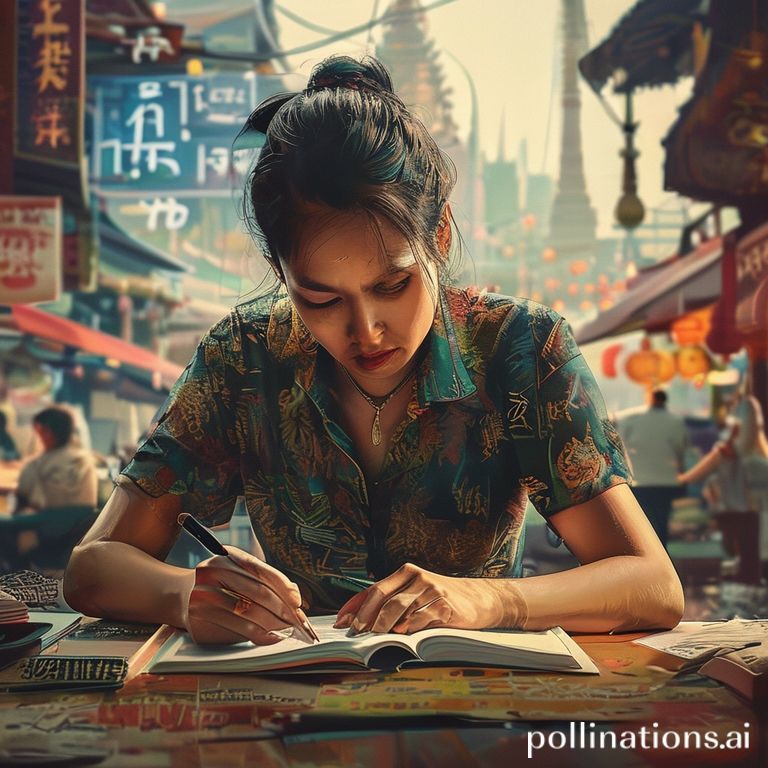
ลงทุนในตัวเองในภาษาไทย: เส้นทางสู่ชีวิตที่ดีขึ้น (Long-term Investing in Yourself: A Thai Perspective)
สวัสดีครับ/ค่ะ! (Sawasdee krap/ka!) Have you ever felt stuck? เหมือนว่าชีวิตมันเดินไปเรื่อยๆ ไม่มีอะไรเปลี่ยนแปลง (Muean wa chiwit man doen pai rueay rueay mai mee arai plianplaeng): like life is just passing by without any real change. I remember Khun Somchai, a friend of mine who felt exactly that way. He worked tirelessly at his office job, coming home exhausted every day, with little energy or motivation for anything else. He dreamt of owning his own small restaurant, a place where he could share his passion for authentic Thai cuisine. But the dream felt distant, almost impossible. Why? เพราะเขาขาด ‘การลงทุนในตัวเอง’ (phro khao khat ‘gaan long thun nai dtua eng’): because he lacked ‘investing in himself’.
ปัญหา: ชีวิตที่ไม่ได้ลงทุน (The Problem: A Life Uninvested)
Khun Somchai’s story isn’t unique. It reflects a common struggle: we often prioritize everything else – work, family, responsibilities – *before* ourselves. We tell ourselves we’re too busy, too tired, or too short on funds to invest in our personal growth. But this neglect comes at a cost. Let’s explore some of the key problems associated with failing to invest in yourself:
- ความรู้สึกติดขัด (Khwam rusuek dtit khat): A sense of being stuck, unable to advance professionally or personally. เหมือนน้ำที่ไม่ไหล (Muean nam thee mai lai): like stagnant water.
- ขาดความมั่นใจ (Khat khwam man jai): Eroding self-esteem and a belief that you’re not capable of achieving your goals. เริ่มสงสัยในความสามารถของตัวเอง (Roem songsai nai khwam samat khong dtua eng): Starting to doubt your own abilities.
- โอกาสที่หายไป (Okat thee hai pai): Missing out on potentially life-changing opportunities due to lack of skills, knowledge, or connections. เสียโอกาสดีๆ ไป (Sia okat dee dee pai): missing good opportunities.
- ความเครียดและหมดไฟ (Khwam khriat lae mot fai): Increased stress and burnout due to feeling overwhelmed and unfulfilled. รู้สึกเหนื่อยหน่ายกับชีวิต (Rusuek nueai nai gap chiwit): Feeling tired of life.
- ความสัมพันธ์ที่แย่ลง (Khwam samphan thee yae long): Strained relationships as you become less engaged and present with your loved ones. ความสัมพันธ์กับคนรอบข้างแย่ลง (Khwam samphan gap khon rop khang yae long): Relationships with those around you deteriorate.
การกระตุ้น: ความเจ็บปวดของการไม่เปลี่ยนแปลง (Agitation: The Pain of Remaining Unchanged)
Imagine Khun Somchai five years down the line, still working at the same job, still dreaming of his restaurant, but now with even more regret and fewer opportunities. The thought of it is painful, isn’t it? Think about the regret of not pursuing that passion, the frustration of feeling trapped, and the potential health problems that can arise from chronic stress. นี้คือสิ่งที่รอคุณอยู่ถ้าคุณไม่เริ่มลงทุนในตัวเอง (Nee kheu sing thee ro khun yu tha khun mai roem long thun nai dtua eng): This is what awaits you if you don’t start investing in yourself.
Let’s be honest: staying stagnant is *more* difficult than growing. It requires constant mental gymnastics to justify your inaction, and it slowly chips away at your self-worth. The comfortable illusion of stability eventually shatters, leaving you vulnerable and unprepared for the inevitable changes life throws your way. การเปลี่ยนแปลงคือสิ่งที่แน่นอน (Gaan plianplaeng kheu sing thee nae non): Change is the only constant. So, are you ready to embrace it or be swept away by it?
วิธีแก้ไข: การลงทุนในตัวเองอย่างยั่งยืนเพื่อชีวิตที่ดีขึ้น (The Solution: Sustainable Self-Investment for a Better Life)
The good news is that it’s never too late to start investing in yourself! Think of it like planting a seed. The sooner you plant it, the sooner it will grow and bear fruit. Here are some actionable steps you can take to begin your journey of self-investment:
1. กำหนดเป้าหมายที่ชัดเจน (Kamnot pao mai thee chat jen): Define Clear Goals
What do you want to achieve? What skills do you want to acquire? What kind of person do you want to become? Write down your goals and make them specific, measurable, achievable, relevant, and time-bound (SMART). For Khun Somchai, his goal was to open his own restaurant within two years. นี้เป็นเป้าหมายที่ชัดเจนและจับต้องได้ (Nee pen pao mai thee chat jen lae jap tong dai): This is a clear and tangible goal.
2. เรียนรู้สิ่งใหม่ๆ อย่างต่อเนื่อง (Rian ru sing mai mai yang tone nueang): Continuous Learning
Never stop learning! The world is constantly evolving, and you need to keep up. Read books, take online courses, attend workshops, listen to podcasts, and network with people in your field. Khun Somchai started by taking a course on restaurant management and another on Thai cooking techniques. เรียนรู้ทุกวัน (Rian ru thuk wan): Learn every day.
3. พัฒนาทักษะของคุณ (Pattana thaksa khong khun): Develop Your Skills
Identify the skills you need to achieve your goals and focus on developing them. Practice regularly, seek feedback, and don’t be afraid to make mistakes. Khun Somchai practiced his cooking skills by hosting dinner parties for his friends and family. ฝึกฝนและปรับปรุง (Fuk fon lae prapprung): Practice and improve.
4. ดูแลสุขภาพร่างกายและจิตใจ (Du lae sukkhaphap rang kai lae jit jai): Take Care of Your Physical and Mental Health
Your health is your wealth! Make time for exercise, eat a healthy diet, get enough sleep, and manage your stress levels. Meditation, yoga, and spending time in nature can be incredibly beneficial. สุขภาพเป็นสิ่งสำคัญ (Sukkhaphap pen sing samkhan): Health is important.
5. สร้างเครือข่าย (Sang khreua khrai): Network
Connect with people who can support and inspire you. Attend industry events, join online communities, and reach out to mentors. Building a strong network can open doors to new opportunities. การสร้างเครือข่ายสามารถช่วยให้คุณเติบโต (Gaan sang khreua khrai samat chuai hai khun toep toh): Networking can help you grow.
6. จัดการการเงินของคุณอย่างฉลาด (Jatkan gaan ngoen khong khun yang chatlat): Manage Your Finances Wisely
Invest in yourself financially! Save money, pay off debt, and invest in assets that will appreciate over time. This could include investing in stocks, real estate, or your own business. Khun Somchai saved diligently and took out a small loan to finance his restaurant. บริหารเงินอย่างระมัดระวัง (Borihaan ngoen yang ramat rawang): Manage your money carefully.
7. ให้รางวัลตัวเอง (Hai rangwan dtua eng): Reward Yourself
Celebrate your successes, no matter how small! Rewarding yourself will keep you motivated and on track. Khun Somchai celebrated the opening of his restaurant with his friends and family. อย่าลืมให้รางวัลตัวเอง (Ya leum hai rangwan dtua eng): Don’t forget to reward yourself.
เรื่องราวความสำเร็จ: Khun Somchai’s Restaurant
Fast forward two years, and Khun Somchai’s dream became a reality. He opened his small restaurant, serving authentic Thai cuisine made with fresh, locally sourced ingredients. It wasn’t easy, but his dedication and hard work paid off. His restaurant became a local favorite, and he finally felt fulfilled and in control of his life. เขามีความสุขและประสบความสำเร็จ (Khao mee khwam suk lae prasop khwam samret): He is happy and successful. This is the power of investing in yourself.
สรุป: การลงทุนในตัวเองคือการลงทุนในอนาคต (Conclusion: Investing in Yourself is Investing in Your Future)
Investing in yourself is the best investment you can make. It’s an investment in your future, your happiness, and your overall well-being. Don’t wait any longer. Start investing in yourself today, and watch your life transform. ชีวิตที่ดีรอคุณอยู่ (Chiwit thee dee ro khun yu): A good life awaits you. Remember Khun Somchai’s story, and take the first step towards your own success.
แท็กยอดนิยม:
#ลงทุนในตัวเอง #พัฒนาตนเอง #เป้าหมายชีวิต #ความสำเร็จ #การเรียนรู้ #แรงบันดาลใจ #SelfInvestment #PersonalGrowth #LifeGoals #Success
You May Also Like
![{"prompt":"A serene Thai woman with a gentle smile meditating outdoors amidst lush greenery, sunlight filtering through the leaves. Focus should be on portraying inner peace and contentment.","originalPrompt":"A serene Thai woman with a gentle smile meditating outdoors amidst lush greenery, sunlight filtering through the leaves. Focus should be on portraying inner peace and contentment.","width":1024,"height":1024,"seed":20299,"model":"sana","enhance":false,"nologo":false,"negative_prompt":"undefined","nofeed":false,"safe":false,"quality":"medium","image":[],"transparent":false,"has_nsfw_concept":false,"concept":[],"trackingData":{"actualModel":"sana","usage":{"completionImageTokens":1,"totalTokenCount":1}}}](https://selfpreneur.club/wp-content/uploads/2026/02/cover-32-820x430.jpg "cover-32")
-
ก.พ. 2, 2026
การเดินทางสู่ความสุข...
![{"prompt":"Photorealistic image of a young Thai woman smiling and working on a laptop at a coffee shop. The background is blurred, showing other people and the cafe's ambiance. She is surrounded by digital devices, and there is a sense of accomplishment and freedom.","originalPrompt":"Photorealistic image of a young Thai woman smiling and working on a laptop at a coffee shop. The background is blurred, showing other people and the cafe's ambiance. She is surrounded by digital devices, and there is a sense of accomplishment and freedom.","width":1024,"height":1024,"seed":20238,"model":"sana","enhance":false,"nologo":false,"negative_prompt":"undefined","nofeed":false,"safe":false,"quality":"medium","image":[],"transparent":false,"has_nsfw_concept":false,"concept":[],"trackingData":{"actualModel":"sana","usage":{"completionImageTokens":1,"totalTokenCount":1}}}](https://selfpreneur.club/wp-content/uploads/2026/02/cover-31-820x430.jpg "cover-31")
-
ก.พ. 2, 2026
เคล็ดลับ (ไม่) ลับ: ...
![{"prompt":"A photorealistic image showing a person balancing various icons (representing work, family, health, hobbies) on a balance scale against a golden sun, set against a peaceful, natural backdrop in Thailand. The colors should be warm and inviting, emphasizing serenity and harmony.","originalPrompt":"A photorealistic image showing a person balancing various icons (representing work, family, health, hobbies) on a balance scale against a golden sun, set against a peaceful, natural backdrop in Thailand. The colors should be warm and inviting, emphasizing serenity and harmony.","width":1024,"height":1024,"seed":20176,"model":"sana","enhance":false,"nologo":false,"negative_prompt":"undefined","nofeed":false,"safe":false,"quality":"medium","image":[],"transparent":false,"has_nsfw_concept":false,"concept":[],"trackingData":{"actualModel":"sana","usage":{"completionImageTokens":1,"totalTokenCount":1}}}](https://selfpreneur.club/wp-content/uploads/2026/02/cover-30-820x430.jpg "cover-30")
-
ก.พ. 2, 2026
การเดินทางสู่ชีวิตที...
![{"prompt":"A diverse group of people happily learning Thai together in a vibrant classroom setting. One person is pointing to a Thai alphabet chart with a smile. The overall atmosphere is positive and encouraging.","originalPrompt":"A diverse group of people happily learning Thai together in a vibrant classroom setting. One person is pointing to a Thai alphabet chart with a smile. The overall atmosphere is positive and encouraging.","width":1024,"height":1024,"seed":20115,"model":"sana","enhance":false,"nologo":false,"negative_prompt":"undefined","nofeed":false,"safe":false,"quality":"medium","image":[],"transparent":false,"has_nsfw_concept":false,"concept":[],"trackingData":{"actualModel":"sana","usage":{"completionImageTokens":1,"totalTokenCount":1}}}](https://selfpreneur.club/wp-content/uploads/2026/02/cover-29-820x430.jpg "cover-29")
-
ก.พ. 2, 2026
เรียนภาษาไทยให้สนุกแ...
Sign up to receive our latest updates
Get in touch
Call us directly?
+1 234 567 8910
Address
Howard Street, San Francisco
contact@eduma.com